
Introduction: Why the Right Desk Matters More Than You Think
If you’ve ever struggled with back pain, cluttered workspaces, or low productivity, there’s a good chance your desk is part of the problem. Many people underestimate how much their desk impacts their daily performance, comfort, and even long-term health. Whether you’re working from home, studying, gaming, or managing a business, the wrong setup can quietly reduce your efficiency.
A well-chosen desk is more than just furniture—it’s the foundation of your productivity. From a compact writing desk to a fully adjustable standing desk, the right choice can transform how you work and feel every day.
In this guide, you’ll discover everything you need to know about choosing the perfect desk, including types, features, pros and cons, and expert buying tips—whether you’re a beginner or an experienced workspace optimizer.
What Is a Desk? Understanding the Basics
A desk is a flat working surface designed for tasks like writing, computing, studying, or organizing. But modern desks have evolved far beyond a simple tabletop. Today, desks come in various styles, materials, and configurations to suit different needs.
For example, an office desk is typically designed for professional environments with storage and space for equipment. A computer desk focuses on ergonomics and cable management, while a study table is often more compact and minimal. Meanwhile, a standing desk allows you to alternate between sitting and standing for better health.
The key is understanding your primary use. Are you working long hours? Gaming? Studying? Each purpose demands a different type of desk.
Key Benefits of Choosing the Right Desk
Investing in the right desk can dramatically improve your daily routine. Here’s how:
- Improved Productivity
A clutter-free, well-organized workstation helps you focus better. With proper space for your tools, you spend less time searching and more time doing.
- Better Posture and Health
An ergonomic desk, especially a standing desk or adjustable model, reduces strain on your neck, shoulders, and back. This is crucial if you sit for long hours.
- Enhanced Organization
Desks with drawers, shelves, or a desk organizer help keep everything in place—documents, gadgets, and accessories.
- Aesthetic Appeal
A minimalist desk or wooden desk can elevate the look of your room, creating a clean and motivating environment.
- Versatility
Modern desks serve multiple purposes—from workstations to gaming setups—making them a valuable long-term investment.
Types of Desks: Which One Is Right for You?
Office Desk
Ideal for professionals, an office desk often includes storage options like drawers and cabinets. It’s perfect for handling paperwork and multitasking.
Writing Desk
Simple and elegant, a writing desk is great for minimal setups. It usually lacks storage but offers a clean surface for focused work.
Computer Desk
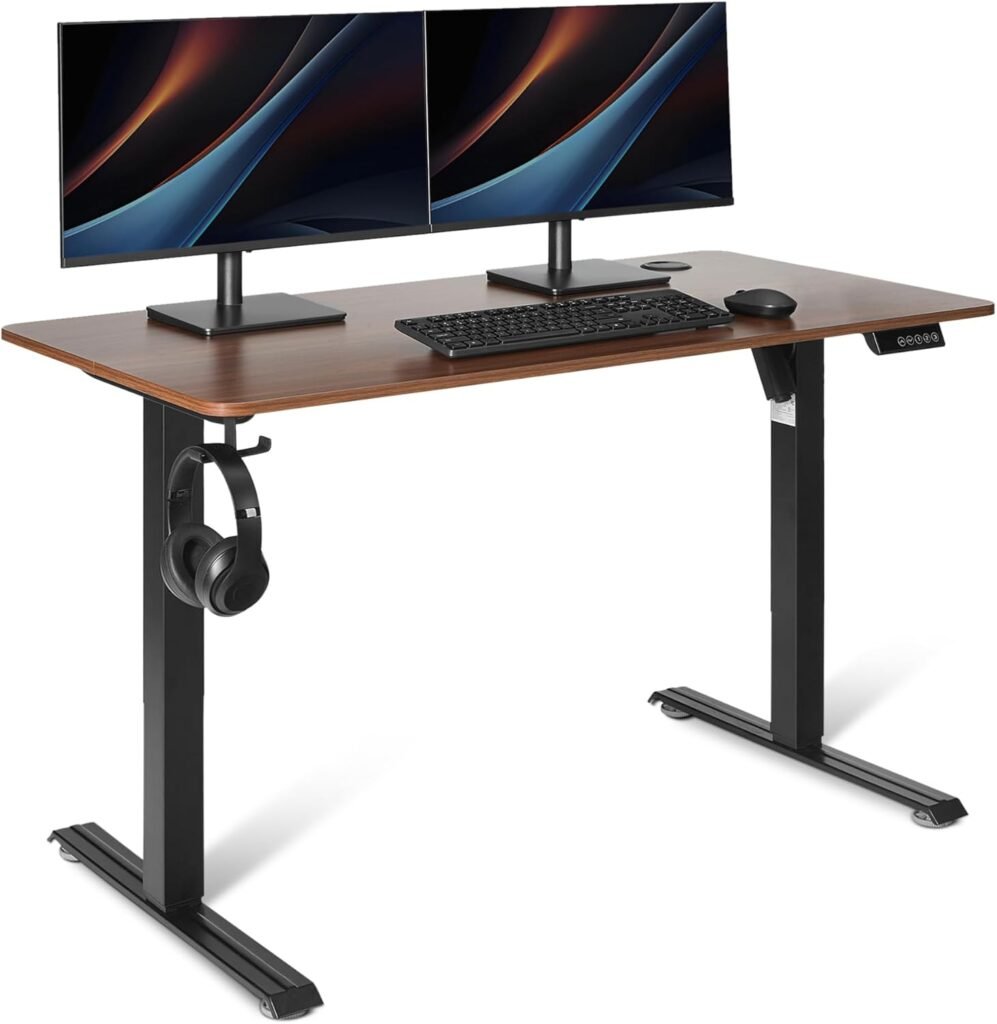
Designed specifically for tech users, a computer desk includes space for monitors, keyboards, and cable management systems.
Study Table
Perfect for students, a study table is compact, functional, and often budget-friendly.
Wooden Desk
Known for durability and timeless design, a wooden desk fits both traditional and modern interiors.
Standing Desk
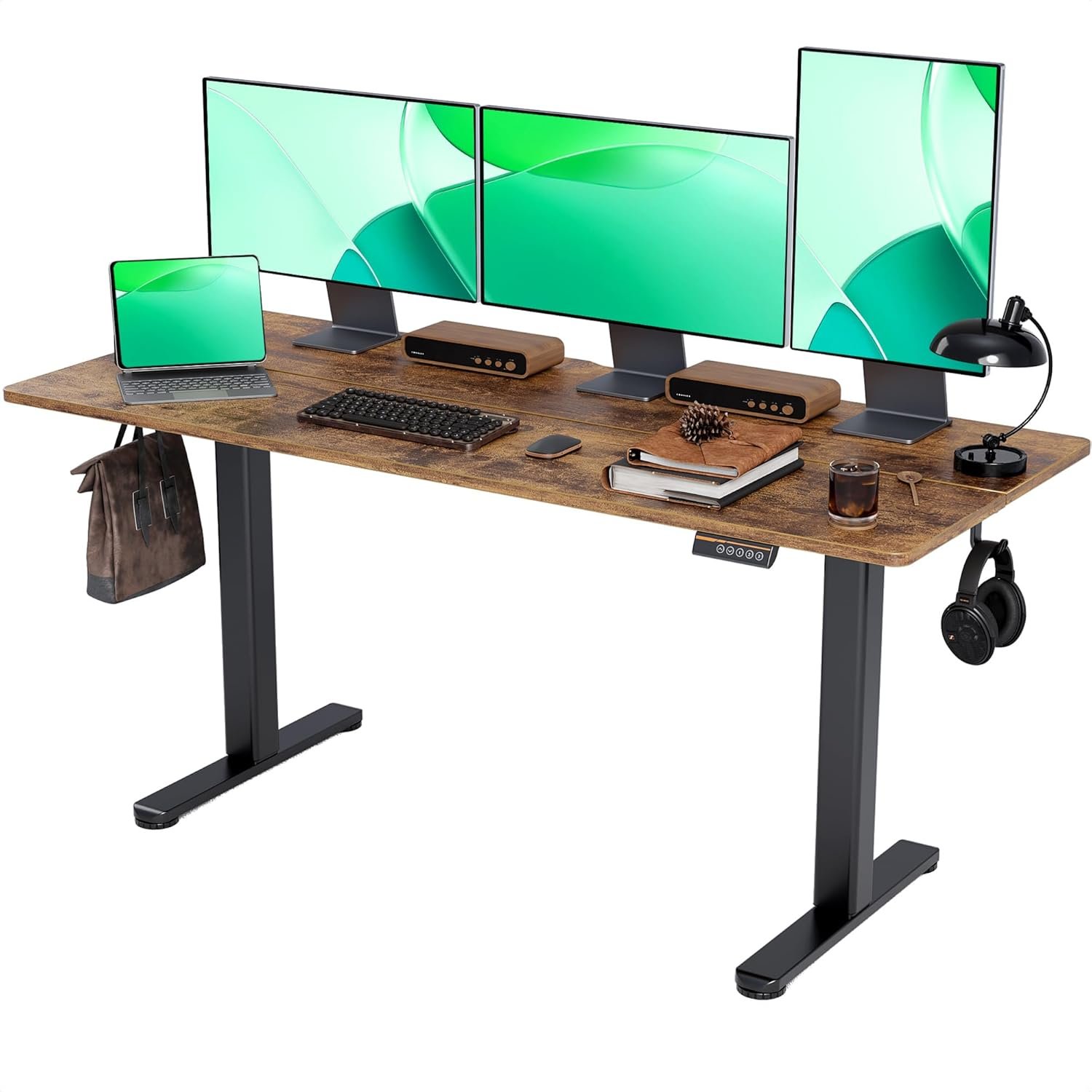
A growing trend, the standing desk allows you to switch between sitting and standing, promoting better health and energy levels.
Minimalist Desk
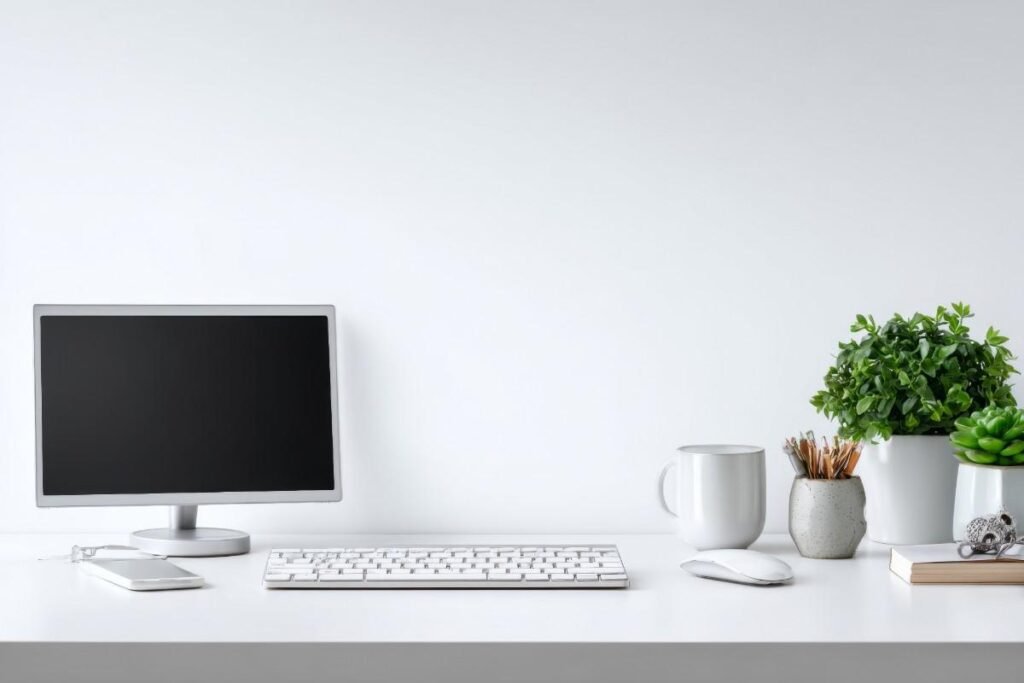
If you prefer a clean and distraction-free environment, a minimalist desk offers simplicity without unnecessary features.
Key Features to Look for in a Desk
When choosing a desk, don’t just focus on looks—functionality matters more.
Size and Space
Make sure the desk fits your room without overcrowding. Measure your space before buying.
Material
Wood: Durable and stylish
Metal: Strong and modern
Glass: Sleek but requires maintenance
Storage Options
Drawers, shelves, and compartments can help keep your workspace tidy.
Ergonomics
Look for adjustable height options or designs that support proper posture.
Cable Management
Especially important for a computer desk or workstation setup.
Stability and Build Quality
A sturdy desk ensures long-term usability without wobbling.
Desk Comparison: Sitting Desk vs Standing Desk
| Feature | Sitting Desk | Standing Desk |
|---|---|---|
| Comfort | Good for short periods | Better for long-term health |
| Health Impact | Can cause posture issues | Reduces back pain |
| Price | Usually cheaper | Slightly more expensive |
| Flexibility | Limited | Adjustable options |
Verdict: If your budget allows, a standing desk offers more health benefits and flexibility.
Pros and Cons of Desks
Pros
Improves productivity and focus
Enhances workspace organization
Supports ergonomic posture
Adds aesthetic value to your room
Available in various styles and budgets
Cons
High-quality desks can be expensive
Requires space planning
Some models (like standing desks) need maintenance
Poor-quality desks may lack durability
Who Should Buy a Desk?
A desk is essential for:
Students needing a dedicated study table
Remote workers building a home office desk setup
Gamers requiring a specialized workstation
Professionals managing documents and devices
Creatives like writers, designers, and editors
If you spend more than 2–3 hours daily working or studying, investing in a good desk is not optional—it’s necessary.
Desk Buying Guide: Expert Tips Before You Buy
Choosing the right desk doesn’t have to be complicated. Follow these practical tips:
- Define Your Purpose
Are you working, studying, or gaming? Your use case determines the type of desk you need.
- Measure Your Space
Always check dimensions to ensure a perfect fit.
- Set a Budget
Desks range from affordable to premium. Decide how much you’re willing to invest.
- Prioritize Ergonomics
Your health matters. Look for features that support posture.
- Consider Future Needs
Choose a desk that can adapt as your needs grow.
- Read Reviews
Check user feedback to avoid poor-quality products.
- Think About Style
Match your desk with your room’s interior—modern, classic, or minimalist.
FAQs About Desks
- What is the best desk for a home office?
A home office desk with storage and ergonomic design is ideal. Consider an adjustable or standing desk for added flexibility.
- Are standing desks worth it?
Yes, standing desks can improve posture, reduce back pain, and boost energy levels during long work hours.
- What size desk should I choose?
It depends on your space and usage. A standard desk is around 120–160 cm wide, but compact options are available for small rooms.
- Which material is best for a desk?
Wood is the most durable and versatile, while metal and glass offer modern aesthetics.
- How do I keep my desk organized?
Use a desk organizer, cable management tools, and minimal accessories to maintain a clean workspace.
Conclusion: Upgrade Your Workspace Today
Choosing the right desk isn’t just about furniture—it’s about improving your daily life. A well-designed desk can boost productivity, enhance comfort, and even improve your health.
Whether you’re setting up a home office, upgrading your study table, or investing in a standing desk, the key is to choose something that fits your needs, space, and lifestyle.
Don’t settle for discomfort or clutter. Take the time to find a desk that works for you—and once you do, you’ll wonder how you ever managed without it.
Ready to transform your workspace? Start exploring the best desk options today and create a setup that inspires success every single day.