

Introduction: Why Lego Still Matters in a Digital World
In an era dominated by screens, apps, and instant entertainment, many parents, hobbyists, and even professionals are searching for something more meaningful—something that encourages creativity, focus, and hands-on learning. That’s where Lego comes in.
For decades, LEGO has remained one of the most iconic names in construction toys, offering far more than just colorful building blocks. But with so many options available today—from simple starter kits to complex engineering masterpieces—it can be overwhelming to choose the right set.
So, how do you find the perfect Lego set for your needs? And is Lego really worth the investment in 2026?
This comprehensive guide will break everything down—from benefits and features to comparisons and buying tips—so you can make a confident, informed decision.
What Is Lego? A Simple Yet Powerful Concept
At its core, Lego is a system of interlocking building blocks designed to create anything your imagination allows. Each piece fits seamlessly into another, forming what’s known as the “brick system.”
But Lego is much more than just stacking plastic bricks. It’s a platform for:
Creativity and imagination
STEM learning
Problem-solving skills
Engineering thinking
From basic playsets for kids to advanced modular designs for adults, Lego has evolved into a universal tool for learning and entertainment.
Modern Lego sets often include:
Detailed minifigures
Themed playsets (cities, space, architecture, movies)
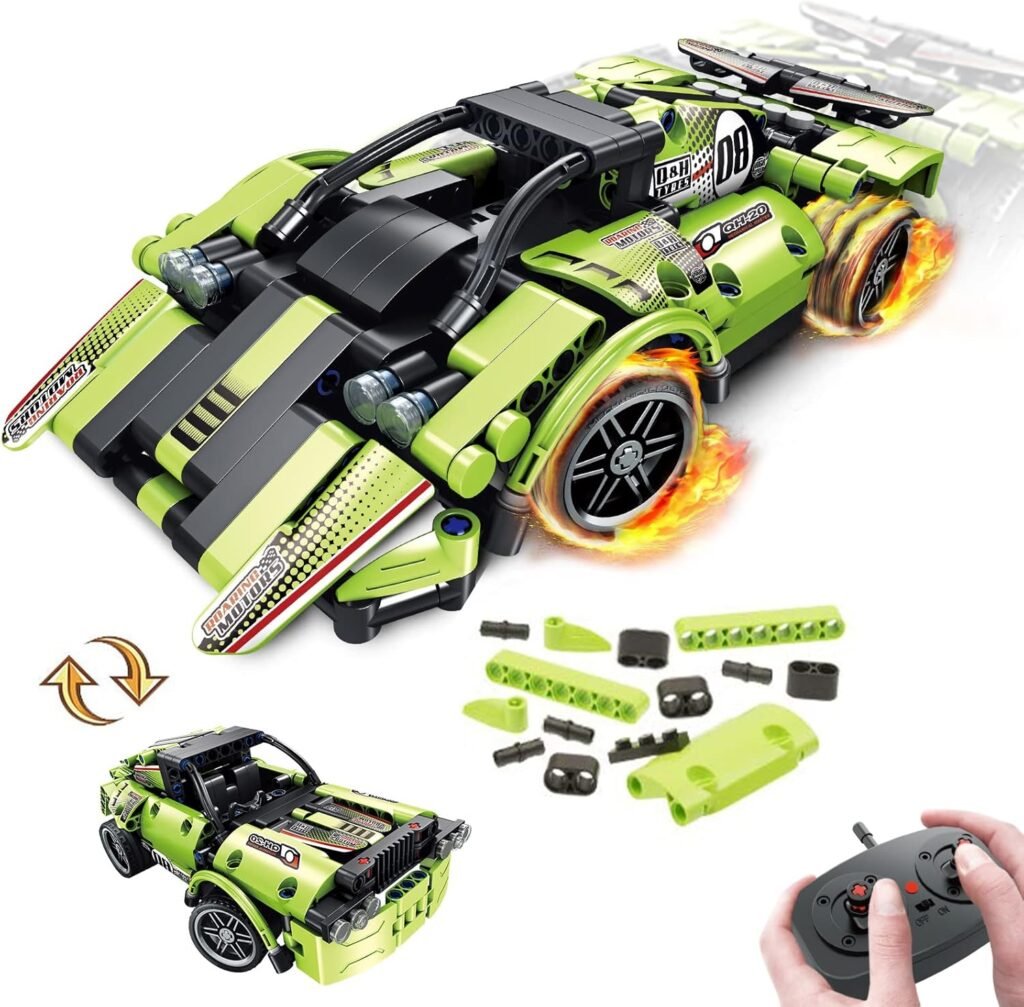
Advanced engineering toys with moving parts
Digital integration with apps and augmented reality
Key Benefits of Lego
- Boosts Creativity and Imagination
Lego encourages open-ended play. Unlike many toys that have a single purpose, Lego lets users create anything—from houses to robots to entire cities.
This freedom fuels imagination, especially in children, while also providing a creative outlet for adults.
- Enhances STEM Learning
Lego is widely used in educational settings because it promotes:
Logical thinking
Spatial awareness
Basic engineering principles
Programs like Lego robotics introduce kids to coding and mechanics, making it one of the best STEM learning tools available today.
- Improves Focus and Patience
Building a Lego set requires attention to detail and step-by-step thinking. This process naturally improves:
Concentration
Patience
Problem-solving skills
It’s especially beneficial in a world where attention spans are shrinking.
- Suitable for All Ages
One of Lego’s biggest strengths is its versatility:
Kids enjoy simple construction toys
Teens explore complex builds
Adults use Lego for stress relief or display collections
There are even expert-level sets designed for experienced builders.
- High-Quality and Durable
Lego bricks are known for their precision and durability. Even pieces made decades ago still fit perfectly with modern ones—thanks to the consistent modular design.

Lego vs Other Construction Toys
When comparing Lego with other construction toys, a few key differences stand out:
Lego Advantages
Superior build quality
Vast variety of themes and sets
Strong resale value
Universal compatibility across sets
Other Brands
Often cheaper
May offer unique designs
Quality and fit may vary
Verdict
If you’re looking for long-term value, reliability, and creative freedom, Lego remains the gold standard.
Pros and Cons of Lego
Pros
Encourages creativity and independent thinking
Excellent for STEM learning
Durable and long-lasting
Wide range of themes and difficulty levels
Suitable for all age groups
Cons
Can be expensive
Small pieces may pose a choking hazard for young kids
Some sets require significant time commitment
Easy to lose pieces
Who Should Buy Lego?
Lego is not just for kids—it’s for anyone who enjoys building, creating, or learning.
Ideal for:
Parents looking for educational toys
Kids who love hands-on play
Students interested in engineering or design
Adults seeking a relaxing hobby
Collectors who enjoy display-worthy builds
Not ideal for:
Those who prefer instant entertainment
Very young children (unless using age-appropriate sets)
People with limited patience for detailed builds
Buying Guide: How to Choose the Right Lego Set
Choosing the right Lego set depends on several factors. Here’s what to consider:
- Age Group
Always check the recommended age on the box:
4–7 years: Simple building blocks
8–12 years: Themed playsets
13+ years: Advanced builds and engineering toys
- Skill Level
Beginner: Basic sets with fewer pieces
Intermediate: Themed sets with instructions
Expert: Large, complex builds with thousands of pieces
- Theme or Interest
Lego offers a wide variety of themes:
City and vehicles
Space and science
Architecture
Movies and pop culture
Choose a theme that matches the user’s interests to maximize engagement.
- Piece Count
More pieces = more complexity and longer build time.
Small sets: 100–300 pieces
Medium sets: 300–1000 pieces
Large sets: 1000+ pieces
- Budget
Lego sets range from affordable starter kits to premium collector editions.
Tip: Start small if you’re new, then upgrade as your interest grows.
- Purpose
Ask yourself:
Is it for learning?
Display?
Casual play?
This will help narrow down the right type of set.
Real-Life Use Cases
For Kids
A child can build a city using Lego playsets, improving creativity while learning how structures work.
For Students
Engineering students often use Lego for prototyping simple machines and understanding mechanics.
For Adults
Many adults use Lego as a stress-relief hobby, similar to puzzles or painting.
Frequently Asked Questions (FAQs)
- Is Lego worth the price?
Yes. While Lego can be expensive, its durability, educational value, and replayability make it a worthwhile investment.
- Can adults use Lego?
Absolutely. There are many advanced sets specifically designed for adults, including architecture and engineering models.
- Are Lego pieces compatible across sets?
Yes. One of Lego’s biggest strengths is its universal brick system—pieces from different sets fit together seamlessly.
- Is Lego safe for children?
Lego is safe when used as intended. However, small pieces can be a choking hazard for children under 3 years old.
- How do I store Lego pieces?
Use storage boxes, organizers, or labeled containers to keep pieces sorted and easy to find.
Conclusion: Should You Buy Lego?
If you’re looking for a product that combines creativity, learning, and long-term value, Lego is hard to beat.
Whether you’re a parent investing in your child’s development, a student exploring engineering concepts, or an adult searching for a rewarding hobby, Lego offers something for everyone.
It’s not just a toy—it’s a tool for imagination, innovation, and growth.
👉 Final Call-to-Action
If you’re ready to unlock creativity and build something amazing, now is the perfect time to explore Lego sets that match your needs. Start small, experiment, and let your imagination take over—because with Lego, the possibilities are truly endless.