Introduction: Why Your Water Bottle Choice Matters More Than You Think
Staying properly hydrated sounds simple—but in reality, many people struggle to drink enough water throughout the day. Whether you’re working long hours, hitting the gym, traveling, or just managing a busy lifestyle, hydration often gets pushed aside. That’s where the right water bottle becomes more than just a container—it becomes a daily essential.
A poor-quality bottle can leak in your bag, retain unpleasant odors, or even expose you to harmful chemicals. On the other hand, a high-quality, reusable, and eco-friendly water bottle can improve your hydration habits, save money, and reduce plastic waste. In this guide, we’ll break down everything you need to know—from features and benefits to choosing the perfect bottle for your needs.
What Is a Water Bottle and Why Do You Need One?
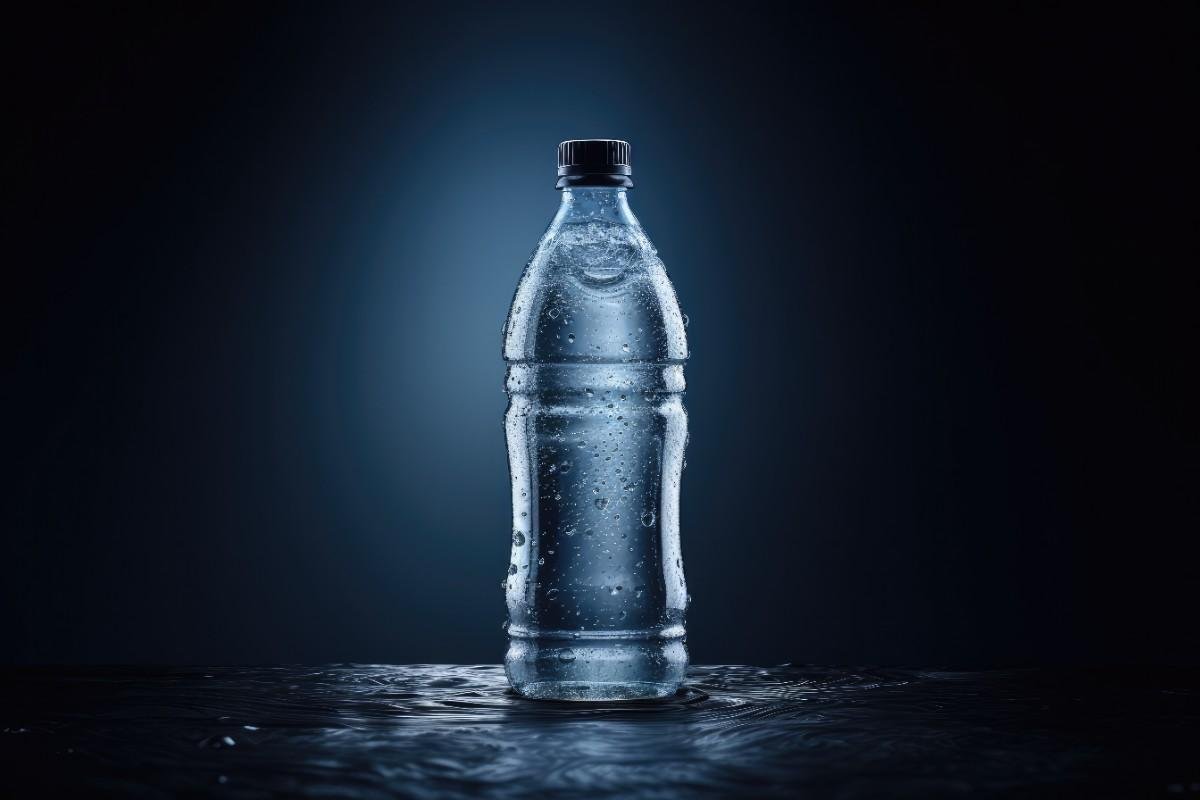
A water bottle is a portable container designed to store and carry drinking water. While that sounds straightforward, modern bottles come in a wide range of materials, designs, and technologies that enhance usability and performance.
Unlike disposable plastic bottles, reusable options are designed to be durable, lightweight, and safe for daily use. Many are BPA-free, ensuring you’re not ingesting harmful chemicals. Others feature insulated walls to keep your drinks cold (or hot) for hours.
At its core, a water bottle solves a simple but critical problem: making hydration convenient and consistent. When water is easily accessible, you’re far more likely to drink it regularly—supporting better energy levels, focus, and overall health.
Benefits of Using a High-Quality Water Bottle
- Improved Hydration Habits
A portable water bottle makes it easier to drink water throughout the day. Whether you’re commuting, working, or exercising, having water within reach encourages consistent hydration.
- Eco-Friendly and Sustainable
Switching to a reusable bottle significantly reduces your reliance on single-use plastics. This small change can have a big environmental impact over time.
- Cost Savings
Buying bottled water daily adds up quickly. A one-time investment in a durable bottle can save you money in the long run.
- Health and Safety
High-quality bottles are typically BPA-free, ensuring that harmful chemicals don’t leach into your drink. This is especially important for daily use.
- Temperature Control
Many bottles feature insulated designs that keep drinks cold for up to 24 hours or hot for 12 hours—perfect for both summer and winter.
- Convenience and Portability
Modern designs are lightweight and easy to carry, with features like carry loops, car cup-holder compatibility, and ergonomic grips.
Key Features to Look for in a Water Bottle
When choosing the best water bottle, consider these essential features:
Material
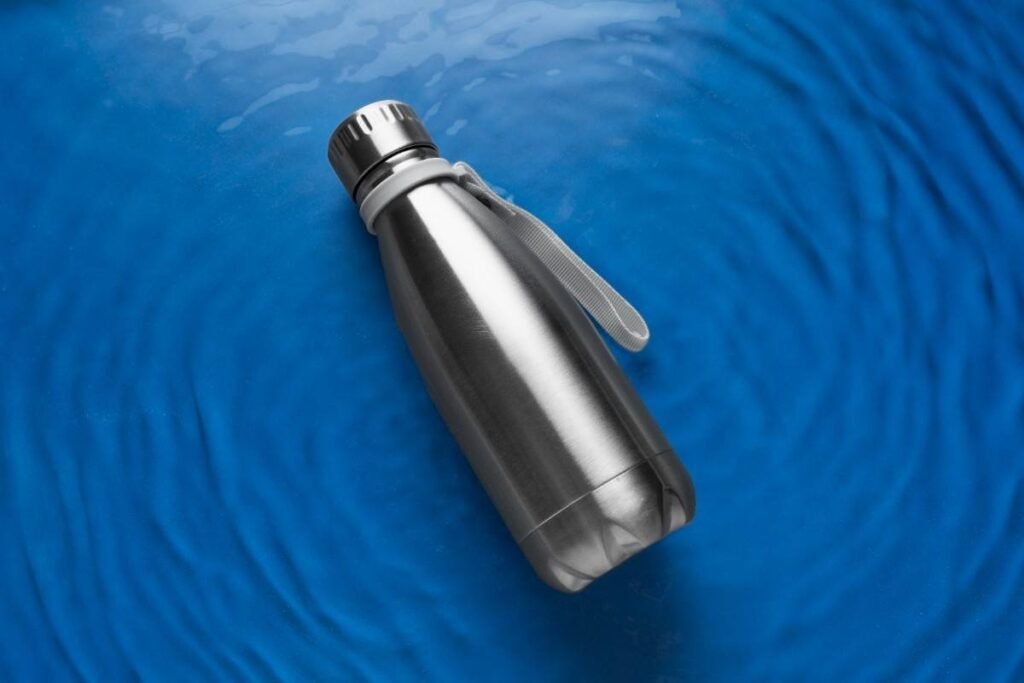
Stainless Steel: Durable, rust-resistant, and excellent for insulation
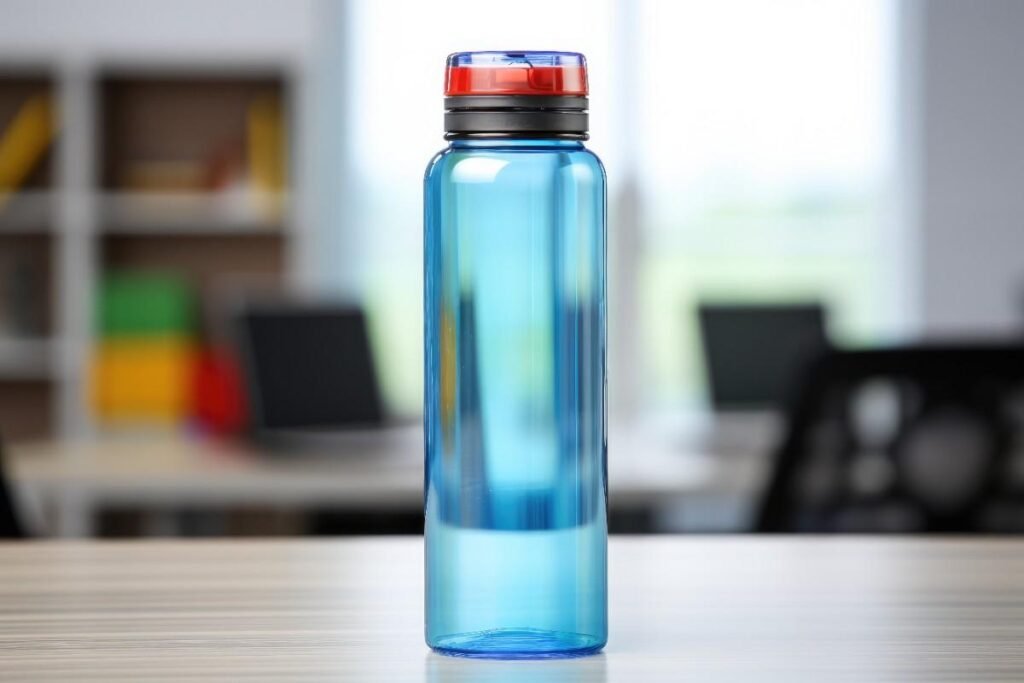
Plastic (BPA-free): Lightweight and affordable
Glass: Clean taste but less durable
Leak-Proof Design
A leak-proof bottle is crucial, especially if you carry it in a backpack or handbag. Look for secure lids and tight seals.
Insulation
Double-wall vacuum insulation helps maintain temperature, making it ideal for both hot and cold beverages.
Capacity
Common sizes range from 350ml to 1 liter. Choose based on your daily hydration needs and portability preferences.
Ease of Cleaning
Wide-mouth bottles are easier to clean and allow you to add ice or fruit slices.
Durability
A good bottle should withstand drops and daily wear without cracking or denting easily.
Comparison: Types of Water Bottles
Stainless Steel vs Plastic vs Glass
| Feature | Stainless Steel | Plastic (BPA-free) | Glass |
|---|---|---|---|
| Durability | Very High | Moderate | Low |
| Weight | Medium | Lightweight | Heavy |
| Insulation | Excellent | Limited | Limited |
| Taste Retention | Neutral | May retain flavors | Pure taste |
| Eco-Friendliness | High | Moderate | High |
Verdict: Stainless steel bottles offer the best balance of durability, insulation, and safety, making them a top choice for most users.
Pros and Cons of Using a Water Bottle
Pros
Encourages regular hydration
Reduces plastic waste
Saves money over time
Available in stylish and functional designs
Safe options like BPA-free materials
Cons
Initial cost can be higher than disposable bottles
Some insulated bottles are heavier
Requires regular cleaning
Who Should Use a Water Bottle?
Students and Office Workers
A lightweight and portable bottle ensures you stay hydrated during long study or work sessions.
Fitness Enthusiasts
An insulated and leak-proof bottle is perfect for workouts, keeping water cold and refreshing.
Travelers
A compact, durable bottle is ideal for long trips, flights, or outdoor adventures.
Eco-Conscious Individuals
If reducing your environmental footprint matters to you, a reusable and eco-friendly bottle is a must-have.
Buying Guide: How to Choose the Best Water Bottle
- Identify Your Needs
Ask yourself:
Do you need insulation?
Will you carry it daily?
What size fits your lifestyle?
- Choose the Right Material
For most users, stainless steel is the best choice due to its durability and temperature control.
- Check for BPA-Free Certification
Ensure the bottle is labeled BPA-free to avoid harmful chemicals.
- Consider Design and Portability
Look for features like:
Carry handles
Slim design for cup holders
Easy-open lids
- Evaluate Build Quality
A durable bottle with a strong seal ensures long-term use and prevents leaks.
- Read Reviews
Customer feedback can reveal real-world performance, especially regarding leak-proof claims and durability.
FAQs About Water Bottles
- How often should I clean my water bottle?
You should clean your bottle daily, especially if you use it frequently. This prevents bacteria buildup and keeps your water fresh.
- Are stainless steel bottles better than plastic?
Yes, stainless steel bottles are generally more durable, better at insulation, and do not retain odors or flavors.
- What does BPA-free mean?
BPA-free means the bottle does not contain Bisphenol A, a chemical that can be harmful to your health.
- Do insulated bottles really keep water cold?
Yes, high-quality insulated bottles can keep water cold for up to 24 hours, depending on the design.
- What size water bottle should I buy?
It depends on your needs. A 500ml bottle is great for portability, while 750ml–1L is better for all-day hydration.
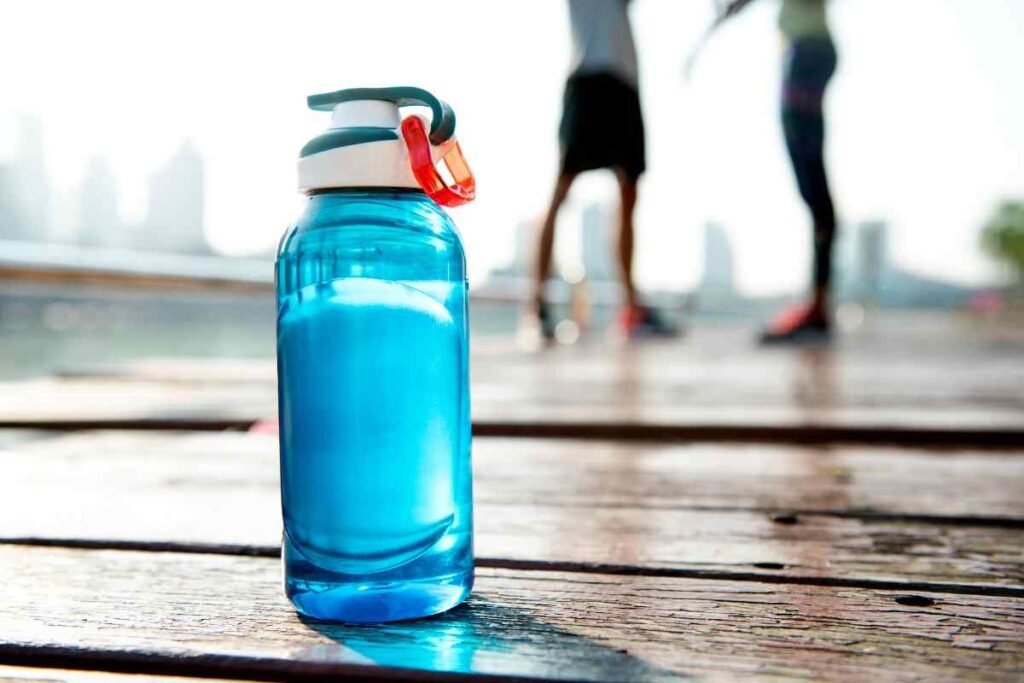
Conclusion: Invest in Your Hydration Today
Choosing the right water bottle is a simple yet powerful way to improve your daily routine. From better hydration and health benefits to environmental impact and convenience, the right bottle can make a noticeable difference in your life.
Instead of relying on disposable options, invest in a reusable, eco-friendly, and durable water bottle that fits your lifestyle. Whether you prefer a sleek stainless steel design or a lightweight plastic option, there’s a perfect match out there for you.
Ready to upgrade your hydration game?
Explore top-rated water bottles today and find one that keeps you refreshed, healthy, and on the move—every single day.